Location: Széchenyi István University, Győr, Hungary
Lead Organizer: Széchenyi István University, Albert Kázmér Faculty of Mosonmagyaróvár
Co-organiser: Eurofish International Organisation and Hungarian Technology and Innovation Platform for Aquaculture (HUNATiP)
Professional Partners: European Aquaculture Society (EAS) and Hungarian Interbranch Organisation for Aquaculture and Fisheries (MA-HAL)
To many, the catfish is simply a whisker-bearing, mysterious predator lurking in the deep. Today, however, it is so much more: a culinary delicacy, a keystone species in pond farming and intensive aquaculture, and even an ecological indicator. The 1st International Catfish Conference aims to showcase precisely this diversity—with scientific rigor yet in an accessible manner, tailored to both professionals and the interested general public alike.
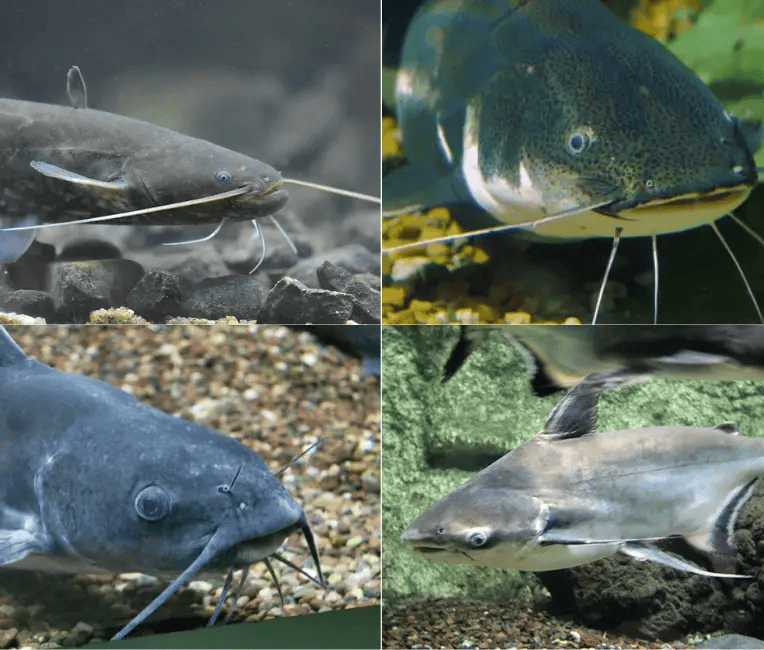
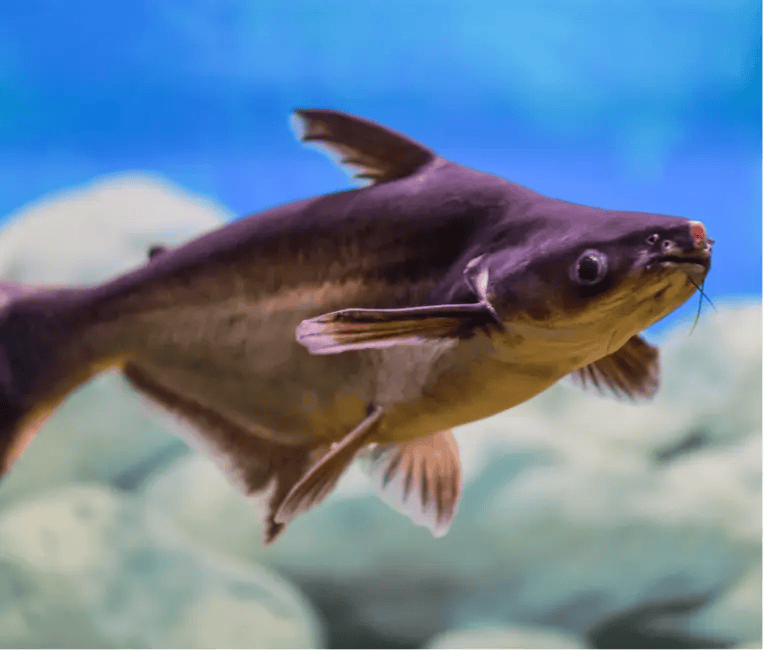
The event focuses on four key species. The iconic apex predator of European waters, the Wels catfish (Silurus glanis), is not only the protagonist of angling legends, but also an important fish species in pond and intensive aquaculture systems. Originating from the African continent, the exceptionally resilient African catfish (Clarias gariepinus) is one of the most successful players in intensive recirculation aquaculture systems, including in Europe. Originating from North America, the channel catfish (Ictalurus punctatus) is a globally recognized aquaculture species that is a symbol of production efficiency and technological development. And one of the decisive export products of the global market is the pangasius catfish (Pangasianodon hypophthalmus), which is one of the flagships of Asian large-scale production and international trade. Furthermore, catfish represents a cultural and gastronomic bridge between continents. Traditional European fish soup, African and Asian fish dishes, as well as modern, health-conscious cuisine all offer a new perspective on this special group of fish species. The conference is therefore not only a scientific forum, but also a meeting point for producers, researchers, decision-makers, and consumers.
What connects these four geographically and ecologically diverse species? The challenges of a rapidly changing world: sustainability, climate change, feeding innovation, animal welfare, water quality management, and market adaptation. The aim of the conference is to bring together the latest research findings and practical experience onto a shared platform—from genetic selection and precision feeding to alternative protein sources. In addition, genuinely exciting questions will be addressed. How can tons of fish be raised in closed water systems with minimal environmental impact? What makes a catfish fillet sustainable? How does rising water temperature affect growth? What role does catfish play in the lives of local economies and rural communities?
In addition, catfish is a cultural and gastronomic bridge between continents. Traditional European fish soup, African and Asian fish dishes, and modern, health-conscious cuisine all bring a new perspective to this unique group of fish species. The conference is therefore not merely a scientific forum, but also a meeting point for producers, researchers, decision-makers, and consumers.
The 1st International Catfish Conference marks the beginning of a new professional dialogue: How can the production of catfish species be made both more competitive and more sustainable? How can tradition be connected with cutting-edge technology? And how can the „whiskered predator” become one of the key players in the responsible food supply of the future?
The conference motto: The answers lie beneath the surface – but now, they will surface.
Tentative Conference Programme:
Day 0: 05 April 2027
Open presentation for the general public and university students, as well as fish tasting.
Day 1: 06 April 2027
1st professional day. Opening ceremony and professional presentations.
Day 2: 07 April 2027
2nd professional day. Professional presentations. Evening: closing reception.
Day 3: 08 April 2027
3rd professional day. Professional presentations. Evening: closing reception.
Day 4: 09 April 2027
Study tour to the Kisbajcs facility of Bajcshal Kft., Hungary’s leading African catfish producer and processing enterprise.
A szükséges sütik alapvető webhelyfunkciókat biztosítanak, mint például a biztonságos bejelentkezés és a hozzájárulási beállítások kezelése. Nem tárolnak személyes adatokat.
Egyik sem
A funkcionális sütik támogatják az olyan funkciókat, mint a tartalommegosztás közösségi médiában, visszajelzés gyűjtése és harmadik fél eszközök engedélyezése.
Egyik sem
Az elemző sütik követik a látogatók interakcióit, betekintést nyújtva olyan mutatókba, mint a látogatószám, visszafordulási arány és forgalmi források.
Egyik sem
A hirdetési sütik személyre szabott hirdetéseket jelenítenek meg korábbi látogatások alapján, és elemzik a hirdetési kampányok hatékonyságát.
Egyik sem
A nem besorolt sütik olyan sütik, amelyeket jelenleg osztályozunk, együttműködve az egyes sütik szolgáltatóival.